
Free Shipping on Orders Over $800 | Become a customer!
Menu title
This section doesn’t currently include any content. Add content to this section using the sidebar.
Your headline
Image caption appears here
Add your deal, information or promotional text
Choosing a Urethral Plug involves more than selecting a visually appealing shape. Comfort depends on anatomy, material, diameter, surface finish, and controlled use. A smooth medical-grade silicone or body-safe stainless-steel design may feel more predictable against sensitive tissue. Fit should remain secure without creating pressure, numbness, or restricted urination. Small details matter, including rounded edges, a stable stopper, and an easy-to-clean surface.
Professional guidance supports careful risk assessment. The European Association of Urology Guidelines on Urethral Strictures identify urethral instrumentation as a recognized cause of injury and narrowing. NHS guidance also lists pain, bleeding, and difficulty urinating as symptoms requiring medical attention. These warnings should not be treated as minor discomfort. They are practical signals to stop and seek qualified care. Urology Care Foundation materials similarly emphasize that urinary symptoms deserve professional evaluation, especially when they persist or worsen.
This article explores why comfort and fit matter when evaluating a Urethral Plug for adult intimate wellness. It focuses on body-safe materials, gradual decision-making, hygiene, and realistic expectations. No product can guarantee comfort for every person. That is the part many product descriptions understate. Individual anatomy varies, and personal experience can be surprisingly inconsistent. A design that feels stable for one user may feel unsuitable for another. Responsible selection means checking product specifications, following manufacturer instructions, avoiding force, and stopping immediately when pain or bleeding occurs. The goal is not maximum sensation. It is informed, controlled, and safer use.
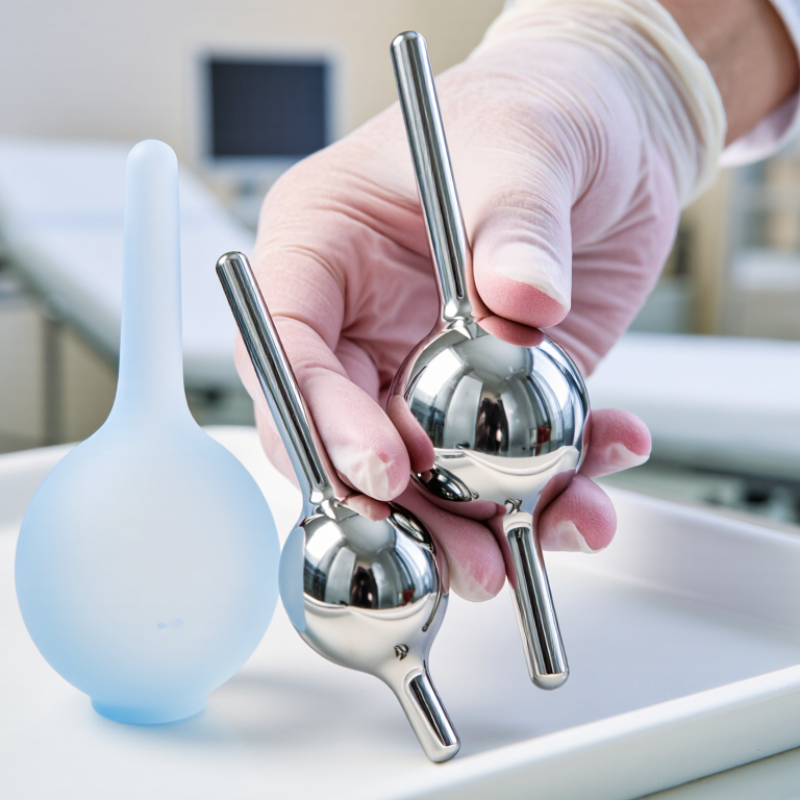
A urethral plug is a small, smooth device designed for temporary insertion into the urethra. Its comfort depends on more than diameter. Length, shape, flexibility, surface finish, and the user’s anatomy all matter. A plug that feels secure may still create pressure near the bladder or sphincter.
Fit is personal.
There is no clinically validated comfort-size chart for urethral plugs. The European Association of Urology’s 2024 Guidelines on Urethral Strictures identify instrumentation and urethral trauma as recognized causes of narrowing. That matters because discomfort may signal injury, not successful fit.
The U.S. National Institute of Diabetes and Digestive and Kidney Diseases estimates about 8.1 million healthcare visits for urinary tract infections each year in the United States. This figure is not plug-specific, but it shows how common urinary complications can be.
Clean hands, sterile or single-use equipment, and generous medical-grade lubricant reduce avoidable contamination. They do not remove all risk.
A safer fit should feel stable, not tight. Pain, bleeding, burning, fever, cloudy urine, or difficulty urinating require prompt medical attention. Never force insertion or ignore persistent soreness.
Personal experience can help notice pressure points, yet it cannot replace clinical advice. I would also question marketing claims that promise “perfect comfort.” Comfort is difficult to measure, and individual anatomy changes the result.
A qualified healthcare professional can discuss urethral health, especially after previous injury, surgery, infection, or diagnosed narrowing.

Why Choose a Urethral Plug for Comfort and Fit?
The French scale offers a practical way to understand diameter. One French unit, or Fr, equals approximately 0.33 millimeters of external diameter. Therefore, a 12 Fr plug measures about 4.0 mm, while a 18 Fr plug measures about 6.0 mm. The calculation is simple: Fr ÷ 3 equals diameter in millimeters.
This sizing system comes from urological catheter practice, not from universal plug-fitting research. The ISO 20696:2018 standard uses millimeter-based catheter dimensions, while the European Association of Urology discusses common adult catheter sizes around 12–16 Fr. Those figures provide useful clinical context, but they do not prove that the same size suits every body. Anatomy varies.
Smaller may feel gentler. Larger may feel more secure. Not always.
Comfort depends on diameter, surface smoothness, shape, and insertion depth. A 15 Fr device is approximately 5.0 mm wide, but that number cannot predict personal tolerance. A careful approach uses the smallest suitable size, generous sterile-compatible lubricant, and slow movement. Never force resistance. Pain, bleeding, numbness, fever, or difficulty urinating requires immediate removal and professional medical advice. The CDC’s catheter guidance also emphasizes minimizing trauma and using the smallest appropriate diameter, a principle worth reconsidering when choosing any urethral device.
Comfort depends on fit, surface finish, flexibility, and verified biocompatibility. A material can feel soft but still irritate sensitive tissue. “Medical grade” is not a complete test result. ISO 10993-1:2018 evaluates biological risks according to contact type and duration. Its categories include limited contact up to 24 hours, prolonged contact over 24 hours to 30 days, and permanent contact beyond 30 days. The FDA’s 2023 biocompatibility guidance also supports a risk-based evaluation, including chemical characterization under ISO 10993-18 when formulation or manufacturing changes occur.
Medical-grade silicone and thermoplastic polyurethane may offer useful flexibility, but neither material automatically meets every ISO 10993 endpoint. Testing may include cytotoxicity, sensitization, irritation, systemic toxicity, and other biological responses. Stainless steel can provide rigidity and a smooth surface, yet finishing quality and corrosion resistance still matter. I would not trust a material claim without a test report. That assumption is easy to make, and sometimes wrong.
Tips: Check the exact material, test standard, and contact-duration assessment. Look for lot traceability and clear cleaning instructions. Avoid rough edges, damaged surfaces, or excessive force. Stop immediately if pain, bleeding, numbness, fever, or unusual discharge occurs. A qualified clinician should assess persistent symptoms, especially because urethral tissue is delicate and easily injured.
Why Choose a Urethral Plug for Comfort and Fit?
Comfort depends on fit, but infection prevention depends on process. Sterility protocols begin before opening the package. Manufacturers should validate sterilization, monitor bioburden, and maintain lot traceability. Users should check the seal, expiration date, and surface condition. Small scratches can hold bacteria. Do not use a damaged device.
The risk is real. The CDC reports that bacteriuria can increase by roughly 3–10% for each day of indwelling catheter use. After about 30 days, nearly all patients may develop bacteriuria. This evidence concerns indwelling catheters, not urethral plugs, but it shows how quickly urinary exposure can change risk. A plug should never be treated as sterile after removal. Clean hands matter. Use only an unopened, appropriately sterilized device, and follow professional medical guidance.
Avoid sharing, repeated use, and contact with unclean surfaces. Use a compatible, sterile lubricant when recommended. Stop immediately if burning, bleeding, fever, cloudy urine, or unusual discharge appears. Seek clinical assessment promptly. Published data on consumer urethral plugs remains limited, which deserves honesty. Comfort claims are not infection-prevention evidence. Even careful protocols cannot remove every risk.
Anatomical dimensions vary considerably. A correctly sized device should be selected conservatively, used only with appropriate lubrication, and removed immediately if pain, bleeding, resistance, or unusual discharge occurs. The chart shows approximate adult urethral lengths, not recommended insertion depths.
Use a sterile, single-use device; wash hands before handling; use sterile, body-safe lubricant; avoid sharing or reusing equipment; and stop use if symptoms develop. These measures reduce opportunities for microorganisms to enter the urethra, although they cannot eliminate infection risk.
Anatomical values are approximate adult averages commonly reported in clinical anatomy references; individual variation is expected. This information is educational and is not a substitute for medical advice.
Choosing a urethral plug should begin with diameter, not appearance. A narrower profile may reduce pressure, but excessive tightness can cause pain or tissue irritation. A wider diameter may feel steadier, yet it demands slower insertion and careful lubrication. The European Association of Urology stresses gentle technique for urethral instrumentation. Comfort is not a toughness test.
Length affects both control and stability. A short plug may feel less intrusive, but it can shift more easily. A longer design may provide better positioning, though excessive depth increases discomfort and injury risk. Retention features, such as a broad external base, should prevent migration without pressing sharply against surrounding skin. Smooth edges matter. So does a reliable removal grip.
Material safety deserves equal attention. FDA biocompatibility guidance and ISO 10993 recommend evaluating materials for irritation, sensitization, and tissue contact. However, published clinical evidence remains limited. FDA’s MAUDE surveillance database does not provide a dependable complication rate for this specific product category. That gap requires caution. Select products with clear material information, inspect them before use, and stop immediately after sharp pain, bleeding, numbness, or difficulty urinating. A personal fit assessment can be useful, but it is not a substitute for medical advice.
We use cookies on our website to give you the best shopping experience. By using this site, you agree to its use of cookies.