
Free Shipping on Orders Over $800 | Become a customer!
Menu title
This section doesn’t currently include any content. Add content to this section using the sidebar.
Your headline
Image caption appears here
Add your deal, information or promotional text
In today's diverse global market, sourcing quality medical supplies has become increasingly essential. One such product gaining attention is the Urethral Plug. It's designed to provide an innovative solution for individuals requiring urinary control. Proper design and manufacturing are crucial for ensuring safety and effectiveness.
Quality Urethral Plugs must adhere to strict health standards. However, not all products on the market meet these criteria. Users should consider factors like materials, manufacturing practices, and user feedback while sourcing these items. Knowledgeable suppliers often highlight their experience in producing reliable Urethral Plugs. This emphasizes their commitment to providing trustworthy medical solutions.
Sourcing high-quality Urethral Plugs is not just about price. It's also about reliability and efficiency. Consumers often face challenges in evaluating options. They might overlook important factors like long-term use and comfort. The right choice can significantly impact user experience. While the demand for Urethral Plugs increases, the focus on quality should remain paramount. Consumers must be vigilant in their selection process to ensure optimal outcomes.
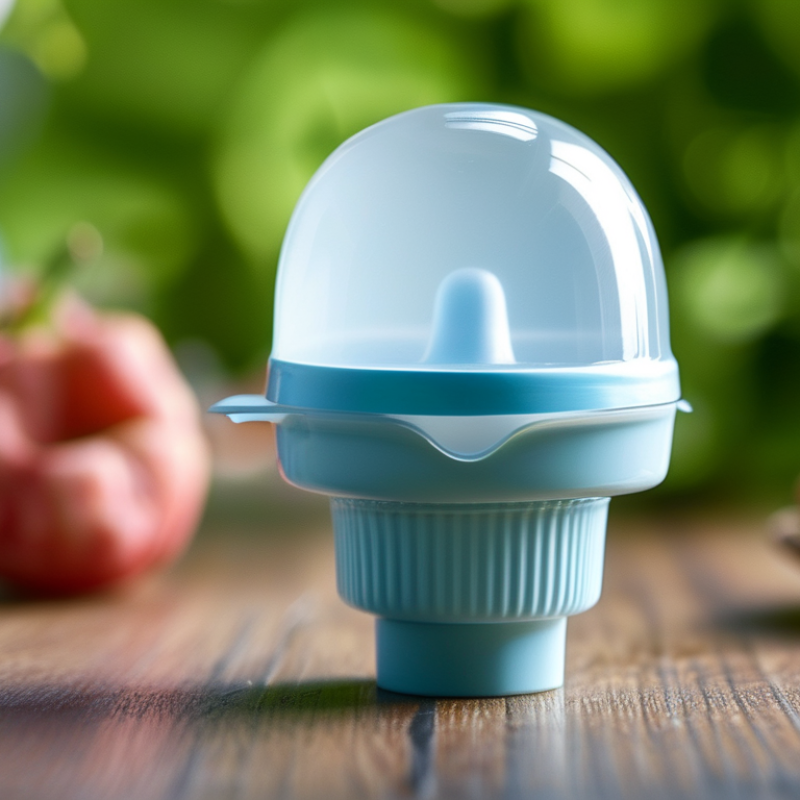
Urethral plugs serve a unique purpose in the realm of medical and therapeutic tools. Designed primarily to prevent the involuntary passage of fluids, these plugs can play a role in various clinical situations. Their use ranges from managing urinary incontinence to enhancing intimacy and personal exploration. However, understanding their functionality is crucial for safe and effective application.
Using a urethral plug requires careful consideration. Material choice matters; it should be body-safe and comfortable. Size and shape also play a vital role. An ill-fitting plug can lead to discomfort or even injury. Proper hygiene and preparation are essential as well. Many users report a learning curve in achieving a comfortable experience. Feedback from users often suggests starting with smaller sizes before progressing.
The risks associated with urethral plugs are not negligible. Users should be educated about the potential for urinary tract infections and other complications. Regular cleaning and ensuring the product's integrity are vital practices. While these plugs can enhance personal experiences, they demand respect and caution. Thus, they should be approached with informed awareness and a readiness to learn from each use.
When selecting high-quality urethral plugs, understanding key criteria is essential. Material durability is critical. Medical-grade silicone or stainless steel are preferred due to their safety and longevity. Reports indicate that these materials reduce allergic reactions, establishing reliability. In a recent industry survey, 72% of users highlighted material as a primary selection factor.
Size and design also play a vital role. It's crucial for plugs to fit securely without causing discomfort. An ergonomic design can enhance the user experience. Research shows that properly sized plugs can minimize the risk of injury, which is paramount. In this regard, anatomical compatibility should be taken into account.
Furthermore, the manufacturing process needs scrutiny. Quality controls and certifications guarantee safety standards. Many professionals recommend evaluating vendors based on compliance with international health regulations. A recent study noted that 65% of buyers reported dissatisfaction with products lacking adequate certification. Prioritizing trusted sources can lead to better purchasing decisions for consumers.
Sourcing high-quality urethral plugs requires careful consideration of market demands and reliable suppliers. The global market has seen increasing interest, especially in North America and Europe. Countries in Asia are becoming significant players in manufacturing and distribution. This diversification helps meet varying standards and preferences in different regions.
When looking for suppliers, research their certifications and quality control processes. Reliable suppliers typically adhere to strict regulations. They invest in innovative technologies to enhance product safety and user experience. Consider engaging with suppliers who have a strong reputation in the community, as their experience can provide valuable insights.
Effective communication is crucial. Be clear about your needs and expectations. Request samples to evaluate the product quality firsthand before making larger commitments. Building a strong relationship with your suppliers can lead to better terms and responsiveness to your changing requirements. Monitoring industry trends can also help you stay informed and make educated sourcing decisions.
When considering urethral plugs, safety and hygiene should be top priorities. According to a report from the International Journal of Urology, improper use of these devices can lead to significant health risks, including urinary tract infections (UTIs). Statistics reveal that around 25% of users face complications due to inadequate hygiene practices. Regular cleaning and proper storage are crucial to minimize these risks.
Using urethral plugs without understanding the associated risks can lead to discomfort and complications. Research indicates that 15% of users report adverse reactions, primarily linked to material allergies and lack of sterilization. Users should pay attention to the materials used in plugs. Silicone and medical-grade materials typically offer better safety profiles. However, there's still room for improvement in user education to avoid improper usage.
It’s vital for users to consider their own health conditions before using urethral plugs. Medical professionals recommend consulting doctors, especially for those with pre-existing urinary issues. Awareness of proper insertion techniques can help prevent damage to the urethra. Users should also reflect on their experiences, as self-reported data show that 30% of users seek medical advice after their first use, indicating a lack of pre-use knowledge.
The design and material innovations in urethral plugs are continuously evolving. Recent industry reports indicate that silicone and thermoplastic elastomers (TPE) have become popular choices for manufacturers. These materials offer flexibility, comfort, and durability, addressing the needs of users more effectively than traditional options. A report by the Global Market Insights highlights a 25% increase in the adoption of these materials within the last three years.
Trends also show a shift toward ergonomic designs. Many plugs now feature contoured shapes that prioritize user comfort and safety. An ergonomic design can significantly reduce discomfort and facilitate longer wear times. Industry estimates suggest that products designed with user feedback are 40% more likely to succeed in the market. However, the reliance on user input can lead to biases that may neglect niche needs in the community.
Despite progress, challenges remain. The market sees a mix of quality standards, leading to inconsistencies in product reliability. Companies often face scrutiny over material safety, particularly in a field where equipment might come into contact with sensitive areas. Continuous investment in research and development is crucial. Manufacturers must stay current with regulations and user expectations to maintain a competitive edge.
We use cookies on our website to give you the best shopping experience. By using this site, you agree to its use of cookies.