

Free Shipping on Orders Over $800 | Become a customer!

Apply Now

Search

This section doesn’t currently include any content. Add content to this section using the sidebar.

Image caption appears here

Add your deal, information or promotional text

What Is the Best Anal Lube in 2026?

Choosing the best Anal Lube in 2026 depends less on a flashy label and more on comfort, ingredients, and what it will be used with. The anus does not lubricate like the vagina, so friction can become uncomfortable quickly. A generous amount of lubricant can help reduce that friction. Still, no single formula suits everyone.

Water-based lubes rinse away easily and are generally compatible with latex condoms. Silicone-based options tend to last longer, but some may damage silicone toys; check both product labels. Oil-based formulas can weaken latex condoms. Read the fine print. Fragrance, warming agents, and numbing ingredients may irritate sensitive skin or mask discomfort. That matters.

This guide compares practical features, including texture, staying power, cleanup, ingredient transparency, and value. It does not treat “best” as a universal verdict: preferences and sensitivities vary, and product formulas can change. A small amount on the skin first may help identify irritation, though it cannot guarantee a reaction-free experience. Stop using a product if it causes burning, pain, or a rash. Persistent symptoms deserve advice from a qualified healthcare professional. Reviews can offer useful clues, but they are not medical evidence. Labels can be confusing, too. The goal here is a clearer, safer way to assess Anal Lube options—not a promise that one bottle will work for every body.
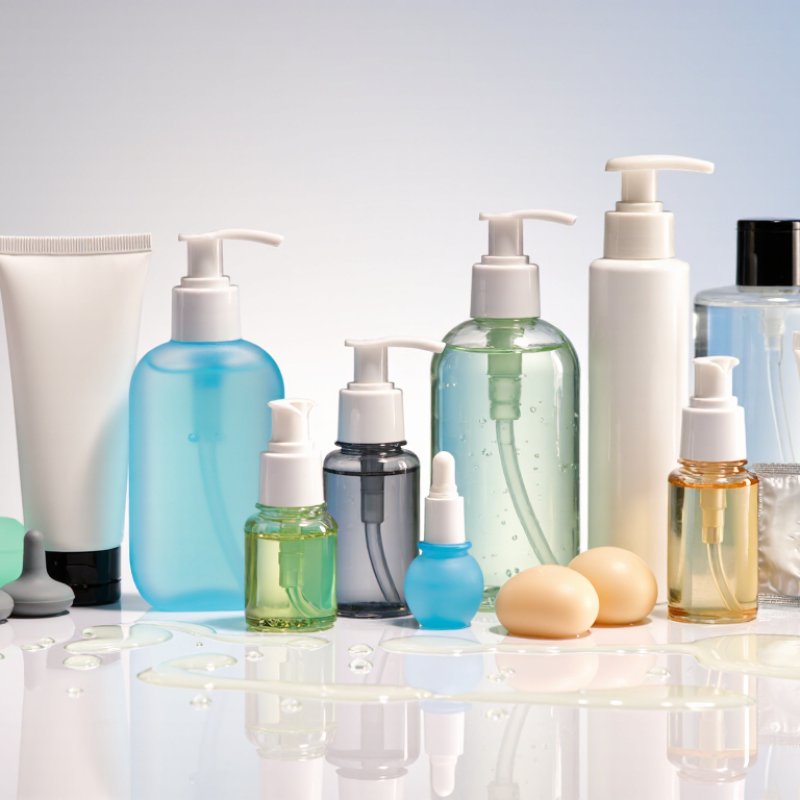
What Is the Best Anal Lube in 2026?

What Anal Lubricants Are and Why They Matter

Anal lubricants are products designed to reduce friction during anal sex. The rectum does not produce enough natural lubrication for comfortable penetration, and its delicate lining can be irritated by friction. Lube helps movement feel smoother, but it does not prevent every injury or replace communication and going slowly.

Water-based lubricants are easy to rinse off and generally work with latex condoms. Silicone-based options often last longer, though check the product label before pairing them with toys. Oil-based products can weaken latex condoms. More is not always better, but reapplying when things feel dry can help. Stop if you feel pain, burning, or irritation. Persistent symptoms deserve medical advice.

Tips: Keep lube within reach, use a small amount at first, and add more as needed. Check the label for condom compatibility. A patch test may help identify irritation, though it cannot guarantee a product will suit you. Preferences vary, and finding a comfortable option may take some trial and reflection.

Key Properties to Compare in an Anal Lubricant

In 2026, “best” means a lubricant that stays slippery, suits your body, and works with any condom or toy you use. Start with texture and staying power. Water-based formulas rinse off easily but may need reapplying; silicone-based options often last longer. Check material compatibility, too: oils can weaken latex condoms, while water- and silicone-based lubricants are generally compatible. Read the package, not just the front label.

Osmolality is another useful comparison. A WHO/UNFPA/FHI 360 advisory note recommends lubricant osmolality below 1,200 mOsm/kg, with 380 mOsm/kg as an ideal target. High-osmolality formulas may irritate or harm delicate tissue, though that threshold is a guide, not a guarantee. Look for clear ingredient and compatibility information. Fragrance, warming agents, or a strong tingling sensation may not suit sensitive skin. Less exciting can be better. A small patch test may help, but it cannot rule out every reaction. ASTM D7661 describes a test method for assessing lubricant compatibility with natural-rubber latex condoms; a product’s specific test or certification details are worth checking. I’d avoid assuming that thicker always means safer or more effective. Comfort varies, and labels do not tell the whole story.

What Is the Best Anal Lube in 2026? — Key Properties to Compare in an Anal Lubricant

Property Water-Based Lubricant Silicone-Based Lubricant Oil-Based Lubricant What to Check
Typical feel and staying power Usually lighter and may become tacky or dry during use; adding water or more lubricant can restore slip. Usually very slippery and longer-lasting; often needs less frequent reapplication. Often slick and long-lasting, but can feel heavier and be harder to wash off. Consider how much glide you want and whether you prefer easy reapplication or longer staying power.
Condom compatibility Generally compatible with latex and polyisoprene condoms; check the product label. Generally compatible with latex and polyisoprene condoms; check the product label. Can weaken latex and polyisoprene condoms, increasing the risk of breakage. Compatibility varies with other condom materials. Follow the condom and lubricant instructions. When using latex condoms, avoid oil-based lubricants.
Sex-toy compatibility Usually compatible with most toy materials; check the toy maker’s care guidance. May affect some silicone toys. Compatibility depends on the materials and formulation. May be unsuitable for some toy materials, including certain elastomers. Check the toy manufacturer’s instructions; if uncertain, choose a compatible lubricant or test a small, inconspicuous area first.
Cleanup Usually rinses off with water and is generally easy to clean. May take soap and water to remove fully; it can leave a slippery residue. Can be more difficult to remove from skin, fabrics, and some surfaces. Think about cleanup needs, especially when using sheets or toys.
Ingredients and sensitivity Formulas vary. Fragrances, warming or cooling additives, and other ingredients may irritate sensitive skin. Often has a short ingredient list, but sensitivities can still occur. Ingredients vary; some oils may irritate skin or be unsuitable for particular users. Choose a product labeled for anal use, review its full ingredient list, and stop using it if irritation occurs.
Best suited to People who prioritize easy cleanup, broad toy compatibility, and simple reapplication. People who want lasting glide and are willing to check toy-material compatibility. People who want an oil-based feel and are not using a condom material that oil can weaken. The best choice depends on personal comfort, condom use, toy materials, and ingredient sensitivities.
Practical safety check Use plenty of lubricant and add more whenever friction or discomfort occurs. Avoid products that cause burning or irritation; do not use numbing products to mask pain. Lubricant does not prevent sexually transmitted infections. Use barriers as appropriate, and stop if there is pain or bleeding.

Bottom line: There is no single best anal lubricant for everyone. A product intended for anal use, with ingredients you tolerate and compatibility suited to your condoms or toys, is a sensible place to start.

Water-, Silicone-, and Oil-Based Lubes: Differences and Compatibility

What Is the Best Anal Lube in 2026?
Water-, Silicone-, and Oil-Based Lubes: Differences and Compatibility

The best lubricant depends on comfort, materials, and how long you need it to last. Water-based formulas are easy to wash off and generally compatible with condoms and most toys. They may dry faster, so keep some nearby and reapply when friction returns. Less friction helps.

Silicone-based lubricant usually lasts longer, which can be useful for extended sessions. It is typically compatible with latex condoms, but may affect some silicone toys. Check the toy maker’s care instructions first; materials vary. Oil-based products can feel cushioning, but oils may weaken latex condoms and are harder to rinse away. Avoid assuming that “natural” means compatible or irritation-free. There is no perfect pick. Personal comfort can differ, and a label cannot predict every reaction.

Tips: Use a small amount first, then add more as needed. Choose a fragrance-free product if you are sensitive to scents, and stop if you notice pain, burning, or irritation. Never use a numbing product to mask discomfort; discomfort is useful feedback. Rinse gently afterward, and check condom and toy instructions before combining products.

How to Choose an Anal Lube for Your Needs

Choosing an anal lubricant starts with your body, your preferred feel, and what you’ll use it with. Anal tissue does not produce its own lubrication, so enough lube can help reduce friction. Comfort matters most. A thicker formula may stay in place, while a thinner one can feel less noticeable. There is no single best texture for everyone, and choosing can take a little trial and reflection.

Water-based lubricants rinse off easily and generally work with latex condoms and many toys. Silicone-based lubricants often last longer, but check toy instructions because some materials may not suit them. Oil-based products can weaken latex condoms. If you have sensitive skin, review the ingredient list and avoid numbing products; reduced sensation can make it harder to notice discomfort. Fragrance or warming ingredients may also irritate some people. A small amount first can help you assess the feel, but it cannot rule out a reaction.

Tips: Keep the bottle within reach, and add more whenever friction returns. Check the condom and toy packaging for compatibility. Stop if you feel sharp pain, burning, or numbness; persistent pain or bleeding deserves medical advice. Less can be more, but don’t push through discomfort just to finish.

How to Use, Reapply, and Store Anal Lubricant Safely

What Is the Best Anal Lube in 2026?

How to Use, Reapply, and Store Anal Lubricant Safely

Apply lubricant generously to the anus and the toy or condom; friction can irritate delicate tissue. Use clean hands, and add more before movement feels dry or draggy. A small pause helps. Stop if you feel sharp pain, burning, or numbness; numbing products can mask irritation.

The 2012 WHO/UNFPA/FHI 360 technical guidance sets a preferred osmolality of 380 mOsm/kg or less for water-based lubricants. It gives 1,200 mOsm/kg as an upper limit. These are formulation benchmarks, not guarantees of safety for every body.

Check the label for condom compatibility. CDC guidance notes that oil-based products can weaken latex, while water- and silicone-based lubricants are generally compatible. Reapply when friction returns, after wiping or washing, or when lubricant dries; there is no fixed interval for everyone.

Keep the cap closed and store the lubricant at room temperature, away from sunlight and hot bathrooms. Discard it if expired or if its texture or smell has changed. Avoid putting leftover lubricant back into its container. Real use is messier than instructions, so check the label again if the ingredients or packaging change.

x

Back to the top