
Free Shipping on Orders Over $800 | Become a customer!
Menu title
This section doesn’t currently include any content. Add content to this section using the sidebar.
Your headline
Image caption appears here
Add your deal, information or promotional text
Lubricants play a critical role in enhancing the mechanical efficiency of machines and equipment. According to a report by the International Organization for Standardization (ISO), over 30% of machine failures are linked to inadequate lubrication. This illustrates the importance of selecting the right lubricant for specific applications. High-quality lubricants reduce friction, wear, and heat, which can prolong equipment life and improve productivity.
In industries ranging from automotive to manufacturing, the demand for efficient lubricants is ever-increasing. For instance, a study from the American Society of Mechanical Engineers (ASME) states that proper lubrication can increase engine efficiency by up to 5%. Yet, not all lubricants are created equal. Some may perform poorly under certain conditions or degrade quickly, leading to more frequent maintenance issues.
As technology evolves, the formulation of lubricants becomes more sophisticated. New additives enhance performance but may require careful consideration. Companies must balance cost and efficiency. Neglecting lubricant quality can result in long-term operational inefficiencies and increased costs. Understanding the pivotal role of lubricants is essential for maintaining mechanical efficiency.
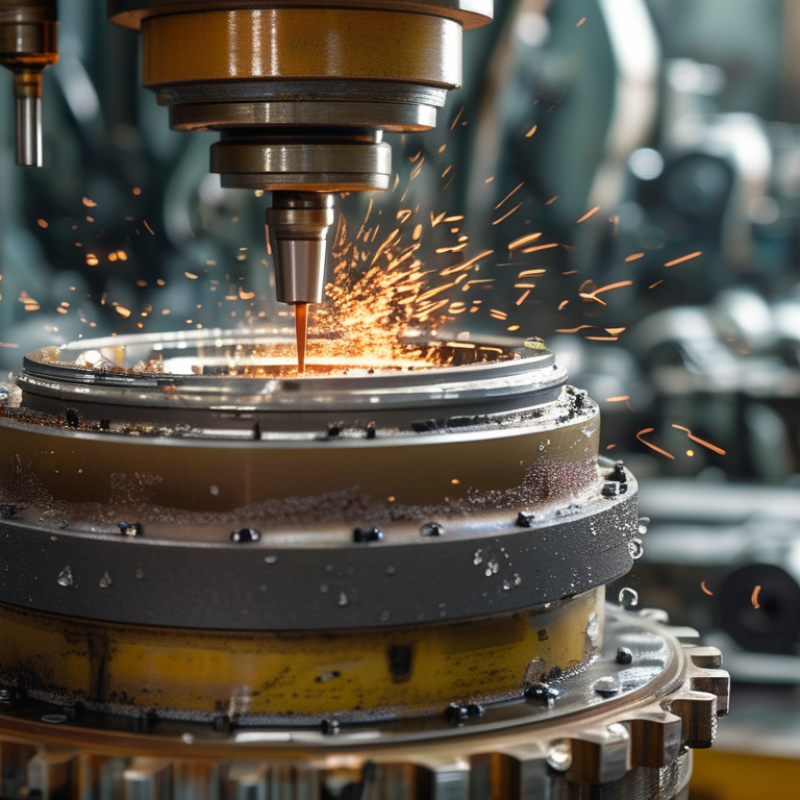
Lubricants play a crucial role in the operation of machinery. They help reduce friction, which can lead to wear and tear. Friction occurs when surfaces come into contact under pressure. This contact generates heat, potentially causing parts to warp or break. A good lubricant forms a protective film, minimizing this direct contact.
In machinery, the type of lubricant can affect efficiency. Oil-based lubricants often provide better protection than grease. However, grease can stay in place better in some applications. Choosing the right lubricant requires understanding the machine's design and expected conditions. Factors like temperature and load must be considered.
Machines are often designed to work together. A small oversight, like choosing the wrong lubricant, can lead to bigger issues down the line. Even experienced engineers sometimes mismatch lubricants with machinery. This can result in unforeseen mechanical failures. Continuous education about lubrication choices is essential. Knowledge and awareness can prevent common mistakes.
Lubrication plays a crucial role in enhancing the
energy efficiency of industrial systems. When moving parts interact,
friction generates heat. This heat can reduce the performance
of machinery. Effective lubrication minimizes friction, allowing components to slide smoothly against each other.
This reduction in friction directly correlates with decreased energy consumption.
Many industries overlook the importance of choosing the right lubricant. Not every lubricant performs equally,
and improper selection can lead to inefficiencies.
The impact of inadequate lubrication is often quantifiable. Studies indicate that machinery operating with subpar lubrication
can consume up to 30% more energy. This unnecessary increase in energy use
can significantly raise operational costs. Regularly monitoring lubrication levels and quality is essential. Ignoring this
can lead to premature wear and tear on equipment. As a
result, maintenance costs may skyrocket.
Moreover, understanding the specific energy demands of different systems is vital. Each mechanical setup has unique lubrication needs.
Neglecting these specifics can lead to inefficiencies that are hard to detect until it's too late. Continuous education around
lubrication can ultimately enhance system reliability and reduce waste. Embracing this knowledge is necessary for
anyone involved in industrial operations.
Lubricants play a crucial role in enhancing mechanical efficiency. They reduce friction and wear, extending the lifespan of machinery. Two primary types of lubricants are oil and grease. Each serves distinct functions in various applications.
Oil is often preferred for high-speed machinery. It provides excellent cooling properties. According to a study by the American Society of Mechanical Engineers (ASME), proper lubrication with oil can improve energy efficiency by 10-30%. It's essential in engines and turbines where rapid movement generates heat. However, oil can leak or evaporate, leading to potential issues in some operations.
Grease, on the other hand, is ideal for slower-moving parts. It adheres well to surfaces and offers better protection against contaminants. The National Lubricating Grease Institute (NLGI) reports that grease can retain its properties for months, reducing the frequency of maintenance. This longevity can be a double-edged sword; while it reduces the need for constant reapplication, it can also mask early signs of wear. Therefore, regular inspections remain essential for optimal performance.
Proper lubricant use is pivotal for machinery efficiency. Regular maintenance and vigilant lubricant selection can significantly enhance equipment lifespan. Many overlook the proper application of lubricants. This misstep often leads to increased friction and wear.
Tips: Always check lubricant levels. Insufficient lubricant can result in severe damage. Apply lubricant according to the manufacturer's specifications. Different applications may require varying types and amounts of lubricant.
Contamination is another critical factor. Dust and dirt can compromise lubricant effectiveness. Regularly clean equipment surfaces to prevent buildup. However, over-lubricating can also create issues, leading to leaks or excess heat. Balance is essential.
Using precise tools for application is vital. Inexact methods can result in uneven distribution. Monitor equipment performance after lubricant application. If you notice unusual sounds, further investigation may be warranted. Proper lubricant use is not just an option; it’s a necessity for optimal mechanical performance.
Effective lubrication plays a critical role in manufacturing. It minimizes friction and wear in machinery, resulting in smoother operation and extends equipment lifespan. When machines run efficiently, energy consumption decreases, leading to lower operational costs. Manufacturers can improve their bottom line by implementing effective lubrication strategies.
From an environmental perspective, proper lubrication reduces resource consumption. Inadequate lubrication often leads to increased energy use and waste. Effective lubrication can significantly reduce greenhouse gas emissions as well. Many manufacturers overlook this aspect. It’s vital to reflect on how lubrication affects the environment and production processes.
A common misconception is that all lubricants are the same. Different applications require specific types. Choosing the wrong lubricant can cause machine breakdowns. Such breakdowns lead to unplanned downtime and costly repairs. Manufacturers should consider these factors seriously. Recognizing the need for tailored lubrication solutions is essential for sustainability and economic efficiency.
We use cookies on our website to give you the best shopping experience. By using this site, you agree to its use of cookies.