How to Choose a G Spot Vibrator for Your Needs?
Choosing a G Spot Vibrator can feel surprisingly personal. Shape, pressure, vibration style, and comfort all matter. The right device should support your body, not force it into a fixed idea of pleasure.
Dr. Carol Queen, PhD, a sexologist, author, and educator, has said, “There is no one right way to have sex.” That principle also applies to vibrator shopping. A curved tip may provide focused contact, while a broader head can feel gentler. Some users prefer deep, steady pressure. Others want light movement and changing patterns. Neither preference is more correct.
Look for body-safe silicone, clearly described materials, and controls you can operate without stretching your hand. A quiet motor matters if privacy matters. A rechargeable battery may be convenient, but replaceable batteries can help during travel. Check waterproof ratings carefully. “Waterproof” and “water-resistant” are not always the same.
Comfort comes before intensity. Start slowly. Let your body respond. Gently curved does not always mean anatomically better. The G-spot is often described as a sensitive area on the front vaginal wall, but experiences vary widely. Some people feel strong pleasure there. Others do not.
This guide will compare practical features, including size, flexibility, vibration patterns, cleaning, charging, and storage. It will also question common marketing claims. A higher price does not guarantee better pleasure. Personal fit still wins. A thoughtful choice should feel safe, comfortable, and easy to use—not impressive only in a product photograph.
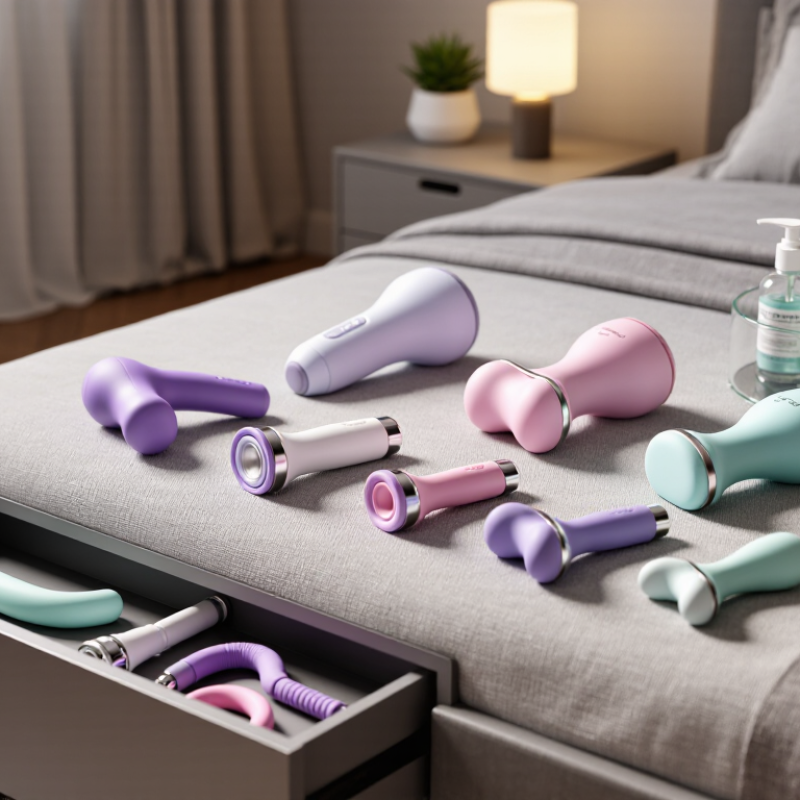
Define Your Needs Through Current G-Spot Anatomy Research
How to Choose a G Spot Vibrator for Your Needs?
Define Your Needs Through Current G-Spot Anatomy Research
Current anatomy research does not define the G-spot as one universal organ. A 2012 review in The Journal of Sexual Medicine found limited evidence for a separate structure. Later imaging studies suggested that the clitoris, urethra, and anterior vaginal wall may work together. Individual responses can differ greatly.
This matters when choosing a vibrator. If pressure feels better than speed, consider a gently curved device with a broad, flexible tip. A shorter shaft may provide more control and reduce unwanted depth. If stimulation feels tender, choose softer materials and adjustable settings. Start slowly.
Research remains imperfect. A 2010 MRI study included only 11 participants, so its findings cannot represent everyone. Large surveys also show varied sexual experiences, but they do not prove one ideal design. The National Survey of Sexual Health and Behavior reported substantial differences in sexual practices across adults. Personal anatomy matters more than marketing language.
Use body feedback as practical evidence. A comfortable angle, low starting intensity, and easy cleaning are useful features. Stop if you notice sharp pain, bleeding, or persistent numbness. Medical sources, including guidance from the International Society for the Study of Women’s Sexual Health, recommend professional advice for ongoing pain or sexual discomfort. No single shape works for every body.
Match Curve, Length, Diameter, and Handle Design to Your Comfort
How to Choose a G Spot Vibrator for Your Needs?
A G spot vibrator should match your body, not a popular size chart. Look for a gentle upward curve that follows your front vaginal wall. A sharp bend may create focused pressure, but it can feel intense quickly. A softer curve usually offers smoother contact. Length matters too. Many people need only moderate insertion depth, while extra length can feel awkward or unnecessary. Measure the product’s insertable portion, not its total length.
Diameter affects pressure more than many buyers expect. A slim shaft may suit beginners or those who prefer lighter stimulation. A wider design can provide fuller contact, but it may cause discomfort without enough lubrication. The handle also deserves attention. A broad, textured handle is easier to control with wet hands. A long handle may improve reach, though it can feel bulky during movement. Small details matter.
Tips: Start with the lowest setting and plenty of water-based lubricant. Test the angle slowly, then adjust by a few degrees. Clean the toy before and after use, following its care instructions. Check for body-safe, non-porous materials when possible. Stop if you notice pain, numbness, or persistent discomfort. Personal anatomy varies, and even careful recommendations can miss your needs. That is normal. A product that seems ideal on paper may still feel wrong in practice.
How to Choose a G-Spot Vibrator for Your Needs
Match curve, length, diameter, and handle design to your comfort—not to a fixed “ideal” size.
The chart shows measured average vaginal length in two physiological states. These values are reference points, not insertion targets; individual anatomy and comfort vary considerably.
Curve
A gentle forward-facing curve can help contact the front wall. Choose a shape that reaches the area without requiring force or excessive wrist rotation.
Length
Prioritize usable insertable length over total length. A stopper or flared base should remain outside the body during use.
Diameter
A smaller diameter is often easier for beginners or sensitive users. Increase gradually only if it remains comfortable and well lubricated.
Handle
A broad, non-slip handle improves control and reduces grip strain. Controls should be reachable without changing position.
Source: Barnhart KT et al., “The relevance of the size and shape of the vagina to sexual function,” Obstetrics & Gynecology, 2006. Measurements are presented as population averages.
Verify Body-Safe Materials Under ISO 3533:2021 Safety Guidance
Choosing a G-spot vibrator starts with material safety, not shape or intensity.
ISO 3533:2021 provides useful guidance for designing and labeling sexual wellness products. It is not a magic certification. A trustworthy product should clearly state its materials, care instructions, power source, and intended use.
Look for smooth, non-porous surfaces that are easy to clean.
Medical-grade silicone, stainless steel, glass, and body-safe plastics may be suitable, but the label alone is not enough. Ask for complete material information and relevant safety testing documents. Check for strong chemical odors, rough seams, peeling coatings, or loose battery compartments. These details matter during close contact with sensitive tissue. Waterproof claims should also include a defined rating, not vague wording.
I once placed too much attention on motor strength and ignored cleaning access. That was poor judgment.
A narrow neck, sealed charging port, and simple control buttons can be more useful than extra settings. Choose a size that feels manageable, and use compatible lubricant according to the instructions.
Stop if you notice pain, numbness, bleeding, burning, or unusual irritation.
Clean the device before and after use, then inspect it regularly for cracks or surface changes. Packaging can look professional and still reveal little about material composition. When information remains unclear, selecting another product is the safer decision.
Compare Vibration Modes, Controls, Battery Life, and Noise-Test Data
How to Choose a G Spot Vibrator for Your Needs?
A useful comparison starts with vibration modes, not the highest intensity. Steady vibration supports consistent pressure. Rhythmic patterns may feel more stimulating, but they can become distracting. In practical testing, controls should work without forcing your wrist into an awkward angle. Physical buttons are often easier to find than touch controls during use. Battery claims need caution. Testers should record full-charge time, operating mode, and actual runtime. A device lasting six hours on its lowest setting may last far less at maximum power. Grand View Research estimated the global sexual wellness market at about USD 35 billion in 2023, showing why clearer product testing matters.
Noise data is frequently incomplete. Look for dB(A) readings, measured at a stated distance, preferably one metre. The room, microphone, surface, and vibration setting can change results. IEC 60704-1 offers general guidance for airborne noise measurement, although it was not created specifically for intimate devices. A quiet bedroom may make a low hum seem louder against a pillow or bedside table. Published numbers without test conditions are weak evidence. I would also question unusually perfect claims. Real testing is rarely that neat.
Tips:
Compare the quietest and strongest modes separately.
Check whether controls remain usable with one hand.
Treat advertised battery life as an estimate.
Choose rechargeable models with clear charging indicators.
Read independent reviews that report measurements, not only impressions.
If comfort, cleaning, or grip details are missing, that omission deserves attention.
Confirm IPX7 Waterproofing: IEC 60529 Supports 1 m for 30 Minutes
How to Choose a G Spot Vibrator for Your Needs?
Confirm IPX7 Waterproofing: IEC 60529 Supports 1 m for 30 Minutes
Water resistance should be more than a sales phrase. IEC 60529 defines IPX7 as protection during temporary immersion, up to one metre for 30 minutes. The test uses controlled freshwater conditions. It does not promise protection from hot baths, saltwater, cleaning chemicals, or repeated deep immersion. A 2024 Grand View Research analysis estimated the global sex toys market at about USD 35.2 billion in 2023. As the market expands, precise safety claims matter more.
Check the complete IP rating, not only the number seven. “X” means the product has no declared dust-protection rating. Inspect the charging port, seams, buttons, and silicone surface before use. In practical checking, a loose cover or cracked seal is a warning sign. Dry the device completely before charging. IEC 60529 testing happens on new products, while real materials can age through heat, friction, and cleaning. This is an easy detail to overlook.
Tips: Look for IPX7 in the technical specifications, not just the product title. Avoid charging near water. Never assume waterproof means showerproof forever. If the manual gives shorter limits, follow the manual. I would also record the purchase date and inspect the seal monthly. That habit feels excessive, but it can reveal damage early. Data sheets are useful; they are not perfect guarantees.