

Free Shipping on Orders Over $800 | Become a customer!
Menu title
This section doesn’t currently include any content. Add content to this section using the sidebar.
Your headline
Image caption appears here
Add your deal, information or promotional text
Choosing a Clit Vibrator is less about finding a universally “best” device and more about matching its feel, shape, and controls to your preferences. In a nationally representative U.S. study published in The Journal of Sexual Medicine, 52.5% of surveyed women reported having used a vibrator (Herbenick et al., 2009). That figure describes vibrator use generally, not a preference for one design. TENGA’s Global Self-Pleasure Report offers further industry context on changing attitudes toward sexual wellness, but no survey can choose a device for you.
Fit matters. Dr. Laurie Mintz, author of Becoming Cliterate, writes, “The clitoris is the only organ in the human body whose sole function is sexual pleasure.” That anatomy is worth keeping in mind when comparing focused stimulation with broader contact. A compact model may suit targeted use; a wider head may feel less intense. Small details count: button placement, noise, grip, and whether the controls are easy to reach. Water resistance and straightforward cleaning instructions also matter in everyday use.
This guide will help you weigh those details without treating product claims as medical advice. Consider material information, adjustable intensity, charging, and return policies before buying. Start gently, and stop if anything feels uncomfortable. Personal preferences can change, too. A feature praised in reviews may not work for your body, and that is not a failure. The right choice is the one that feels comfortable, practical, and suited to your own needs.
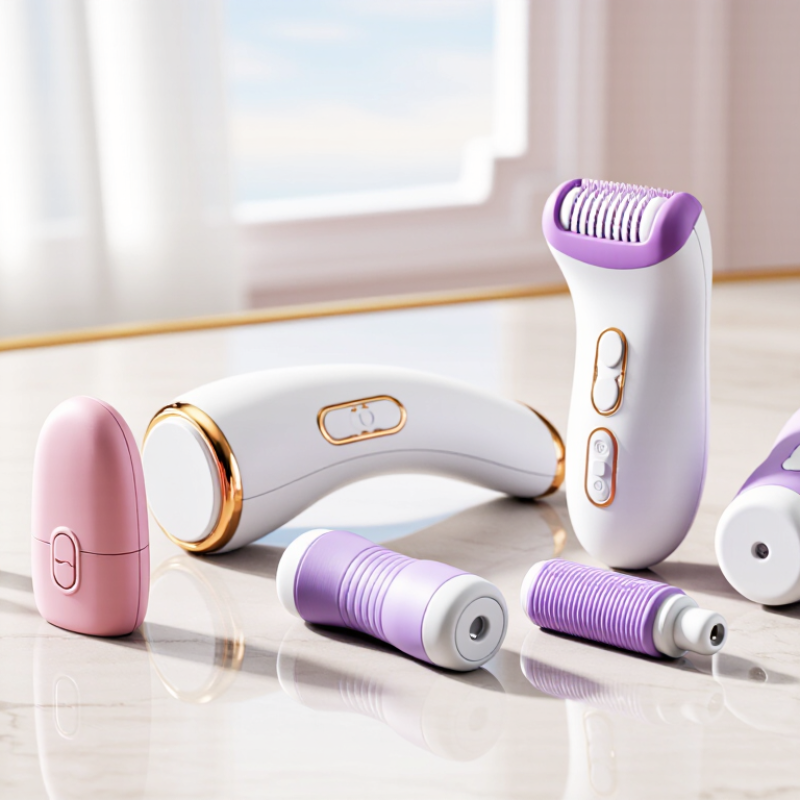
Your preferences matter more than a long list of features. Think about the sensations you enjoy: gentle, broad contact or focused stimulation. A smaller head may feel precise, while a wider, softer surface can spread pressure. Neither is automatically better. Your comfort is the measure.
Consider where and how you expect to use the vibrator. For a shared room, quieter operation and simple controls may help you relax. If you travel, check its size, charging method, and storage case. For use in the bath, confirm that the device is specifically rated for water exposure; water resistance varies. Small details count.
Also consider how you like to hold it. A curved handle can be easier to reach, while a flexible neck may suit different positions. Look for body-safe, nonporous materials and follow the maker’s cleaning instructions. Use lubricant compatible with the device material, since some formulas can damage certain surfaces. Start at the lowest setting and adjust gradually. Too much intensity can feel uncomfortable, even if it seemed appealing in a product description. Preferences can change, and choosing from descriptions alone is imperfect. That’s normal. If you have persistent pain, irritation, or numbness, stop using it and seek advice from a qualified healthcare professional.
Identify your preferences and intended use. This illustrative 1–5 scale shows how someone might prioritize common selection factors; it is not survey data. Adjust the ratings to reflect your own needs.
Consider which factors matter most to you—for example, gentle or intense stimulation, quiet operation, easy cleaning, or portability. Check product materials and care instructions, and choose a body-safe lubricant compatible with the device.
Clitoral vibrators differ in how they deliver sensation. Air-pulse designs use a small opening to direct rhythmic pressure around the clitoris, rather than relying only on a vibrating tip. They may suit someone who prefers focused, non-contact stimulation, though the sensation can feel surprisingly intense. Start low. A broad external vibrator spreads contact over a larger area and can be easier to position without precise alignment. Wand-style heads often feel stronger and cover more surface, but their size may make them less nimble. Curved or finger-shaped designs offer a smaller contact point and more control. That can be useful, but also tiring to hold.
A 2009 peer-reviewed survey by Herbenick and colleagues in the Journal of Sexual Medicine found that 52.5% of surveyed US women had used a vibrator. The figure describes use, not a winning design; preferences vary widely. For a practical comparison, check the shape of the head, the lowest intensity setting, button placement, and whether the material is easy to clean. A narrow nozzle needs comfortable positioning; a broad head needs room to move. Tiny controls matter. Product descriptions rarely explain how a shape feels in your hand, and that is an imperfect way to shop. If possible, prioritize clear material and care instructions, and choose a design that lets you adjust pressure without straining your wrist.
A clit vibrator should feel comfortable against your skin, not merely look appealing. Check the material and the care instructions before comparing features. Nonporous silicone or ABS plastic is generally easier to clean than porous materials. Look for a smooth surface, with no rough seams or sharp edges. That matters. If a product’s material description is vague, do not assume it is body-safe; ask the seller or choose clearer documentation.
Power is about usable range, not maximum intensity. A gentle first setting can help you find what feels comfortable, while several distinct levels offer room to adjust. Start gently. Consider whether the motor feels steady or buzzy, and whether its sound would bother you in your space. A higher setting is not automatically better. It is easy to overlook comfort when comparing specifications, and preferences can change from day to day.
Controls should be simple to reach and understand, especially if you want to adjust them without looking. Check whether the buttons are easy to press and whether the device remembers its last setting. A secure charging port and clear water-resistance rating can make care easier, but follow the maker’s cleaning and charging directions. Use only compatible lubricant, since some formulas may damage certain materials. It is worth checking these details twice; product descriptions are not always specific.
Choose a vibrator with clearly stated body-contact materials, not just a soft-looking finish. ISO 3533:2021 sets design and safety requirements for sex toys that contact genital or anal areas. Look for material details and care instructions, and avoid products with peeling coatings, cracks, or strong chemical odors. A label can still be vague. Ask the seller for clarification if material or charging information is missing.
Cleaning depends on the device. Wash it before and after use, following its instructions; keep water away from ports unless the product is rated for immersion. A waterproof rating is not permission to boil or disinfect it with harsh chemicals. For many nonporous toys, mild soap and warm water are suitable, but motors and seams need extra care. Still, instructions can be frustratingly brief. Check whether the toy is compatible with your lubricant: water-based lubricant is a cautious choice when silicone compatibility is unclear. Herbenick and colleagues’ nationally representative U.S. study reported that 52.5% of women had used a vibrator, underscoring how common these products are, not that every design is equally safe. If sharing, clean it between users and consider a new condom for each person. Recharge only with the supplied cable, away from water.
Think about what you want the vibrator to do, not just how it looks. A focused tip can suit someone who prefers precise stimulation, while a broader, softer head may feel less intense. If you enjoy gentle sensations, look for several low settings and gradual controls. Small details matter. Buttons should be easy to reach without shifting your grip.
Consider comfort in everyday use. A compact shape may be easier to hold, while a flexible neck can help you adjust the angle. If noise matters, check independent reviews rather than relying only on product descriptions. For easy care, choose a smooth, nonporous material and check the cleaning instructions. Waterproof designs can simplify rinsing, but confirm the stated rating before using one in water.
Your priorities may change with mood, sensitivity, or experience. A feature-rich model is not automatically a better fit; extra modes can feel distracting. A simple, quiet device may serve you better. Look for clear charging details and controls you can understand at a glance. Use lubricant compatible with the device material, follow the maker’s care guidance, and stop if stimulation feels uncomfortable. It may take a little trial and reflection to learn what suits you.
| Your priority | Vibrator type to consider | Why it may suit you | What to check before buying |
|---|---|---|---|
| Gentle, hands-free external stimulation | Air-pulse or pressure-wave clitoral stimulator | Designed to stimulate the clitoral area without relying on a small vibrating tip pressing directly against it. Many models offer several intensity settings. | Look for a range of low-to-high settings and a nozzle size that feels comfortable. These devices use different stimulation methods, so sensations vary by person and model. |
| Simple, direct stimulation | Bullet or compact external vibrator | Small and easy to position by hand; a practical choice if you want a straightforward device for external use. | Check the control layout, tip shape, available intensity levels, and whether the device is rechargeable or battery-powered. |
| Broader, less pinpoint sensations | Palm-sized or broad-head external vibrator | A wider contact area may feel less focused than a narrow tip, depending on the shape and how it is used. | Compare the head width, grip, weight, and vibration controls. A larger device may be less convenient to pack or hold for longer periods. |
| More reach or added internal stimulation | Dual-stimulation vibrator with external and insertable parts | Combines external clitoral stimulation with an insertable section in one device. | Check dimensions, flexibility, controls, and whether each section can be operated independently. Use lubricant compatible with the device material. |
| Quiet use | Compact vibrator with a published noise rating or quiet-operation design | A smaller device may be easier to handle, but noise varies with motor, setting, surface, and contact. | Look for a decibel rating measured under stated conditions, if available. Reviews can offer context, but perceived loudness is subjective. |
| Easy cleaning | Smooth, nonporous device with a clear cleaning guide | A smooth surface is generally easier to clean than one with many seams, grooves, or textured areas. | Check the manufacturer’s care instructions and material information. Clean the device before and after use; do not assume it can be submerged. |
| Use in the bath or shower | Waterproof model with a clearly stated rating | A verified waterproof design may be suitable for wet use when used within its stated limits. | Confirm the exact water-resistance rating and care instructions. “Water-resistant” does not necessarily mean safe for submersion. |
| Travel and storage | Small rechargeable or battery-powered external vibrator | A compact shape takes up less room and is easier to store discreetly. | Check the device dimensions, charging method, travel lock, and whether it comes with a storage pouch. Follow airline rules for batteries when traveling. |
Tip: Choose body-safe materials, start at a comfortable low setting, and stop if stimulation causes pain or irritation. Individual preferences differ, so shape, pressure, and sensation are personal.
We use cookies on our website to give you the best shopping experience. By using this site, you agree to its use of cookies.