

Free Shipping on Orders Over $800 | Become a customer!

Apply Now

Search

This section doesn’t currently include any content. Add content to this section using the sidebar.

Image caption appears here

Add your deal, information or promotional text

How to Choose the Right Conveyor Belt Rollers for Your Needs?

Selecting the right conveyor belt rollers is crucial for any industrial operation. These components significantly impact the efficiency and performance of your conveyor system. Choosing the incorrect rollers can lead to breakdowns and increased costs. Understand your specific needs before diving into the options available.

Consider the materials being transported. Heavy loads require robust and durable rollers. Explore variations in design and size. Some rollers are better suited for specific applications than others. Pay attention to the environment, too. Heat, cold, or moisture can affect roller performance.

It's easy to overlook details when selecting conveyor belt rollers. Many assume one size fits all, which is often not the case. Reflect on past experiences and choices. Have they met your operational needs? Think critically about the requirements of your system. Addressing these aspects will lead to better decision-making in your selection process.
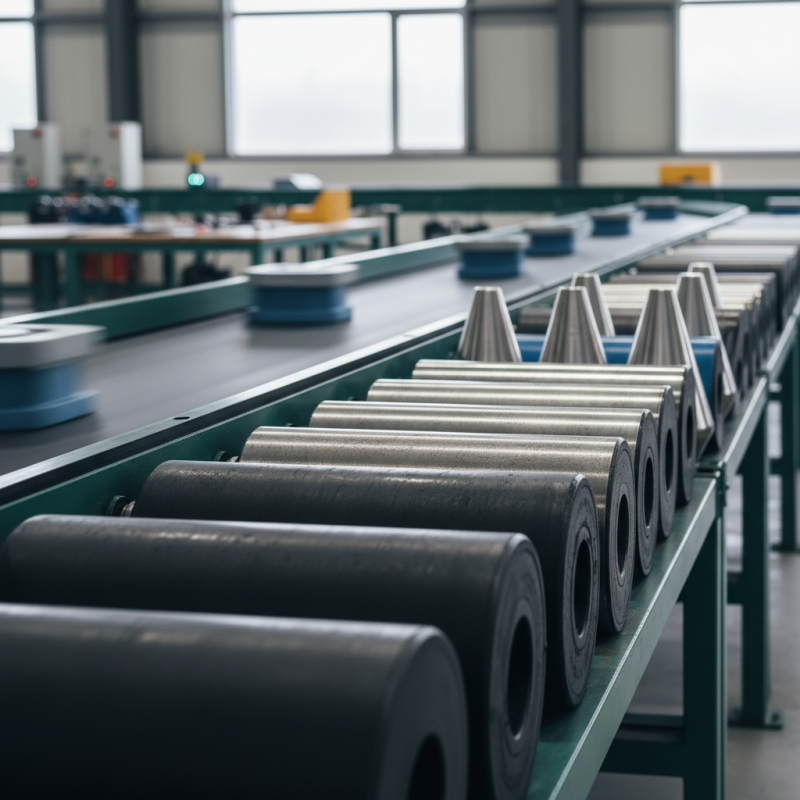
How to Choose the Right Conveyor Belt Rollers for Your Needs?

Understanding Conveyor Belt Rollers: Types and Applications

Understanding conveyor belt rollers is essential for optimizing material handling processes. Rollers are crucial components that support and guide the belt. There are various types of rollers, each designed for specific applications. For instance, gravity rollers, which rely on gravity for movement, are commonly used in warehouses. They require less power and are efficient for transporting lightweight items.

In contrast, powered rollers are suitable for heavier loads. These rollers often feature motorized systems to facilitate movement. It's important to assess the weight and size of the materials being transported. This can impact the selection of roller type significantly. Additionally, environmental factors play a role. For instance, rollers in dusty facilities may require specific materials.

Choosing the right roller requires careful consideration. Reflecting on the specific needs of the application is key. Ensure the selected rollers can withstand wear and environmental conditions. Cost may also be a factor, but focusing solely on price might lead to suboptimal choices. The right roller improves efficiency. However, mistakes in selection can disrupt operations. It’s vital to evaluate options constantly to ensure performance meets expectations.

Key Factors in Selecting Conveyor Belt Rollers for Efficiency

Choosing the right conveyor belt rollers is essential for efficient operations. There are key factors to consider. One factor is the material of the rollers. Steel rollers offer durability, while plastic can reduce noise. Assess your environment. Harsh conditions may require more robust options.

Another important aspect is the size of the rollers. Rollers need to fit the conveyor system well. The diameter affects how products move. A larger diameter generally allows smoother transport. However, it can increase friction too. Monitor your operating conditions to find the best fit.

Tip: Always analyze the load capacity needed. Overloading can lead to wear and tear. Underloading can be inefficient. Finding the balance is critical.

Consider the roller's alignment. Misaligned rollers can cause belt tracking issues. Regular checks help prevent unexpected problems. Evaluate your equipment periodically to ensure optimal performance. Adjustments may be needed as your operations evolve.

Conveyor Belt Rollers Selection Factors

This chart shows the key factors to consider when selecting conveyor belt rollers, including Material, Diameter, Load Capacity, and Roller Type.

Material Considerations: Steel vs. Plastic Rollers in Different Industries

When choosing conveyor belt rollers, material plays a crucial role. Steel and plastic rollers serve different purposes across industries. Steel rollers are robust, suitable for heavy-duty applications. They withstand high temperatures and offer durability. However, they can corrode in moist environments.

Plastic rollers, on the other hand, are lighter and resistant to corrosion. They work well in food processing and pharmaceuticals, where hygiene is a priority. Their lower weight reduces the load on the conveyor system. Yet, they may not handle heavy materials as effectively as their steel counterparts.

Tips: Consider the environment before making a choice. If moisture is a concern, plastic might be better. Also, think about the weight the rollers will carry. Heavy loads often require steel for stability. Evaluate operational demands carefully; a misfit could lead to frequent replacements.

Load Capacity and Dimensions: Ensuring Optimal Performance of Rollers

When selecting conveyor belt rollers, understanding load capacity and dimensions is critical. Rollers must efficiently support the weight of transported goods. Industry standards suggest that the load capacity should be at least 20% greater than the heaviest item to avoid operational issues. For instance, if a system carries 500 kg, the rollers should handle at least 600 kg. This safety margin helps in preventing premature wear and failure.

Dimensions play a pivotal role, impacting both efficiency and durability. Roller diameter and length influence how evenly the load is distributed. A common industry report indicates that a roller diameter of 114 mm is optimal for transporting materials weighing around 300 kg. However, if dimensions are not proportional to the load, issues arise. Some operators might overlook specific dimensions, leading to misalignment or uneven wear. Such oversights require reflection and adjustment to maintain performance.

Regular assessments of roller dimensions and load capacity can identify potential problems. Even a slight mismatch can lead to increased maintenance costs and downtime. It's essential to choose rollers that match not only current needs but also anticipate future demands. The right combination ensures a robust operation and efficient material handling.

Maintenance and Lifespan: Enhancing Conveyor System Reliability

Choosing the right conveyor belt rollers is critical for system efficiency. However, maintenance often takes a back seat. Regular checks on roller condition are essential. Worn rollers can lead to misalignment. This misalignment causes increased wear on belts and reduces overall lifespan.

When rollers aren’t functioning properly, it affects productivity. Small issues can turn into costly repairs down the road. Inspecting for debris accumulation is vital. This can unexpectedly halt operations. Yet, many overlook this simple detail. Creating a maintenance schedule can enhance system reliability. Even minor adjustments can yield significant benefits.

Monitoring roller lubrication is another key aspect. Insufficient lubrication leads to increased friction and heat. These factors can damage both rollers and belts over time. It’s worth noting that not all lubricants are equal. Testing various options might be necessary to find the best fit. Continuous evaluation and adaptation are fundamental for effective maintenance strategies.

x

Back to the top