
Free Shipping on Orders Over $800 | Become a customer!
Menu title
This section doesn’t currently include any content. Add content to this section using the sidebar.
Your headline
Image caption appears here
Add your deal, information or promotional text
Choosing among the Best Dildos is less about finding one perfect shape and more about matching a product to your comfort, preferences, and experience. This guide introduces ten practical buying tips for different needs, from a first-time purchase to a search for specific textures or features. A clear product description can help, but measurements matter more than suggestive photos. Check length, width, firmness, and shape before deciding.
Material deserves close attention. Body-safe, nonporous materials such as silicone are generally easier to clean than porous options, though care instructions vary by product. Look for clear details about construction, surface seams, and cleaning, and choose lubricant compatible with the material. If a toy is waterproof, confirm what the maker means; that label does not always describe every cleaning method. Small print matters.
Think about storage, noise, controls, and whether a flared base is needed for the intended use. These details may seem minor until the toy arrives. Even careful shoppers can misjudge size from a photo; it happens. Reviews can reveal useful patterns, but one person’s ideal firmness may feel uncomfortable to someone else. Treat strong claims with caution, and favor transparent product information over hype. Comfort matters. A good choice should feel manageable, easy to clean, and suited to your own boundaries. If use causes pain or irritation, stop and consider seeking advice from a qualified healthcare professional. This overview offers a practical way to compare options without assuming that one design works for everyone.
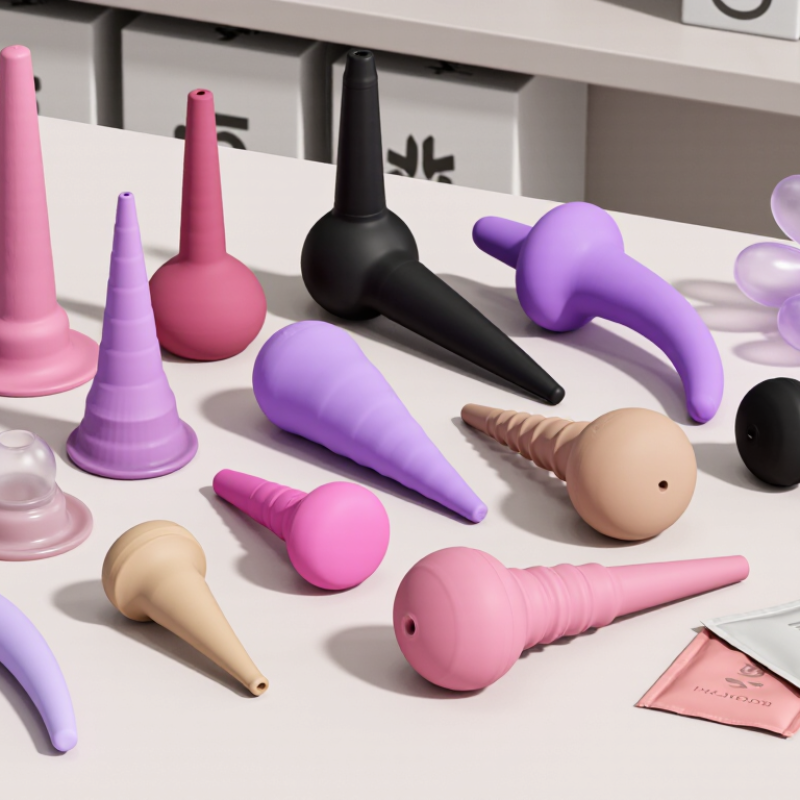
Choosing a dildo starts with a specific use: external stimulation, vaginal insertion, or anal insertion. ISO 3533:2021 addresses design and safety for sex toys intended to contact the genitals, anus, or both. It also covers information supplied with products. Check the intended-use instructions before buying, rather than assuming every shape suits every activity. Fit matters.
For insertion, compare the stated insertable length and widest diameter with your comfort level. A ruler can make dimensions easier to picture. For anal use, choose a design with a broad, secure base that remains outside the body. Check that the surface is smooth and the material and cleaning instructions are clearly identified. ISO alignment does not mean a product is risk-free or independently certified. I would not treat a vague “body-safe” claim as proof.
Grand View Research estimated the global sex-toy market at USD 35.2 billion in 2023, illustrating the breadth of products buyers may encounter. That market figure is not a safety rating. Read the maker’s use and care information, and stop if a product causes pain, numbness, or irritation. A little uncertainty remains: personal fit cannot be settled by measurements alone.

Start by defining intended use and fit. ISO 3533:2021 covers sex toys designed for direct contact with genitalia, the anus, or other body orifices.
How to use this chart: Match the toy’s intended contact area to your needs, then consider its shape, dimensions, material, and cleaning instructions. The chart summarizes areas named in the standard’s scope; it is not a product rating or a compliance assessment.
Compare dimensions with care, not just the overall length printed on a product page. Insertable length is the portion designed to enter the body; total length may include a handle or base. Measure a familiar object at home for perspective. A ruler helps. If you are new to a size, choosing a shorter insertable length can make handling and gradual use easier.
Maximum diameter matters too, but shape changes how a toy feels. A gradual taper may feel different from a rounded tip or a pronounced curve, even when the widest point matches. Check where the toy reaches its maximum diameter, not only the number itself. I find these measurements easy to misread, so comparing a simple side-view diagram with the listed dimensions can help. Fit matters.
Flexibility affects control and pressure. A firmer toy may hold its shape, while a more flexible one can bend with movement; neither is automatically right for everyone. Look for clear material and cleaning information, and follow the care instructions provided. Use adequate lubricant compatible with the material. Stop if you feel pain or numbness. Preference can change, and a specification sheet cannot predict every sensation.
| Type or need | Typical insertable length | Typical maximum diameter | Shape | Flexibility | Buying tip |
|---|---|---|---|---|---|
| Compact size | 10–13 cm (4–5 in) | 2.5–3.2 cm (1.0–1.25 in) | Short, usually straight and tapered | Varies; often firm to moderately flexible | Check the insertable length rather than total length, which may include a base or handle. |
| Slim profile | 13–16 cm (5–6.3 in) | 2.5–3.2 cm (1.0–1.25 in) | Narrow shaft with a gradual tip | Often moderately flexible | A tapered tip and smooth transitions can make gradual insertion easier to manage. |
| Medium-size everyday option | 15–18 cm (5.9–7.1 in) | 3.3–4.0 cm (1.3–1.6 in) | Straight or gently curved | Firm to moderately flexible | Compare both length and diameter; a small increase in diameter can noticeably change fit. |
| Wider profile | 15–20 cm (5.9–7.9 in) | 4.1–5.0 cm (1.6–2.0 in) | Broad shaft, often rounded at the tip | Usually firm or moderately flexible | Consider a smaller diameter if you prefer a gradual progression, and use adequate lubricant. |
| Longer insertable length | 20–25 cm (7.9–9.8 in) | 3.3–4.5 cm (1.3–1.8 in) | Elongated, straight or gently curved | Varies by material and shaft thickness | Choose length based on comfortable depth; a longer toy does not need to be inserted fully. |
| Curved shape | 15–20 cm (5.9–7.9 in) | 3.3–4.2 cm (1.3–1.7 in) | Gently curved shaft, sometimes with a defined tip | Usually firm enough to retain its curve | Look for a curve that suits your intended use; a pronounced curve may feel more targeted. |
| Textured surface | 14–19 cm (5.5–7.5 in) | 3.5–4.5 cm (1.4–1.8 in) | Ridges, ribs, or other raised details | Typically firm to moderately flexible | Raised texture can increase stimulation; check that edges and transitions feel comfortable. |
| Flexible shaft | 14–20 cm (5.5–7.9 in) | 3.0–4.2 cm (1.2–1.7 in) | Straight or gently curved, designed to bend | High flexibility | Flexibility can help with positioning, but confirm that the toy still provides the firmness you want. |
| Firm, shape-holding option | 15–20 cm (5.9–7.9 in) | 3.3–4.5 cm (1.3–1.8 in) | Straight, tapered, or contoured | Low flexibility | Check the material and product care instructions; firmer toys may require especially careful handling. |
| Harness-compatible use | 15–20 cm (5.9–7.9 in) | 3.3–4.5 cm (1.3–1.8 in) | Usually straight, with a compatible base | Varies from firm to moderately flexible | Verify base shape and harness opening compatibility before buying; a flared base is important for anal use. |
Size ranges are general examples, not specifications for individual products. Measurements and flexibility vary by design and material. Check the maker’s measurements, material information, and care instructions before purchasing.
When comparing the 10 best dildos for your needs, treat the label as a safety check, not decoration. ISO 3533:2021 sets design and safety requirements for sex toys intended for direct contact with the genitals, anus, or both. Check that packaging and instructions clearly identify the product’s materials, intended use, cleaning guidance, warnings, and responsible supplier. Details matter. Vague terms such as “body-safe” are not a material specification. Ask the seller for documentation showing how the product was assessed against the standard; a logo or claim alone does not prove compliance.
Grand View Research estimated the global sexual wellness market at USD 35.2 billion in 2023 and projected 8.4% annual growth from 2024 to 2030. That market figure signals demand, not product safety.
Read material information carefully, especially if you have sensitivities, and follow the stated cleaning instructions. Check for cracks, rough seams, or unclear care guidance before use. I still find labels easy to skim; that is exactly when a missing material detail can go unnoticed. A useful checklist helps, but it cannot replace clear manufacturer information or independent testing records.
An IPX7 label is useful, but it does not mean a toy can stay underwater indefinitely. Under IEC 60529, IPX7 testing involves immersion in one metre of water for 30 minutes under specified conditions. That is a controlled test, not a promise about every bathtub, pool, or cleaning routine. Small detail, big difference. Check the product documentation for the rating; a vague “waterproof” claim gives you less to verify.
Look for whether the rating applies to the complete device, including its charging port and controls. A removable sleeve or open port can change what is protected. Follow the maker’s cleaning instructions, and keep charging contacts dry unless the instructions explicitly say otherwise. IPX7 addresses water ingress, not hygiene, material safety, or resistance to soap and heat. A quick rinse may be allowed, while soaking with cleanser may not be. It is easy to assume “waterproof” means worry-free; I would not make that leap. Ratings describe test conditions, and real wear, damaged seals, or a loose cap can affect performance. If the label and instructions seem unclear, contact the seller or choose a device with clearer care guidance.
Cleaning and storage are part of choosing a dildo, not chores to figure out later. Check the manufacturer’s instructions before first use; materials and construction can require different care. A toy labeled waterproof may be submerged, while a water-resistant one may not be. Small wording matters.
Tips: Wash before and after use. Follow the stated method and cleaner guidance. Avoid boiling or using household disinfectants unless the instructions specifically allow it. For many materials, mild soap and warm water are suitable, but confirm first. If the toy has a motor, remove batteries or unplug it before cleaning. Keep water away from charging ports.
Let the toy dry completely, including seams and textured areas, before storing it. A clean, dry pouch or separate container can limit dust and contact with other toys. Some materials may react when stored together, so check compatibility and keep uncertain items apart. Inspect the surface now and then. Cracks, tackiness, or a changed smell can be signs to stop using it. Storage advice can feel fussy; I have overlooked a damp seam before, and it was a useful reminder to slow down.
We use cookies on our website to give you the best shopping experience. By using this site, you agree to its use of cookies.