
Free Shipping on Orders Over $800 | Become a customer!
Menu title
This section doesn’t currently include any content. Add content to this section using the sidebar.
Your headline
Image caption appears here
Add your deal, information or promotional text
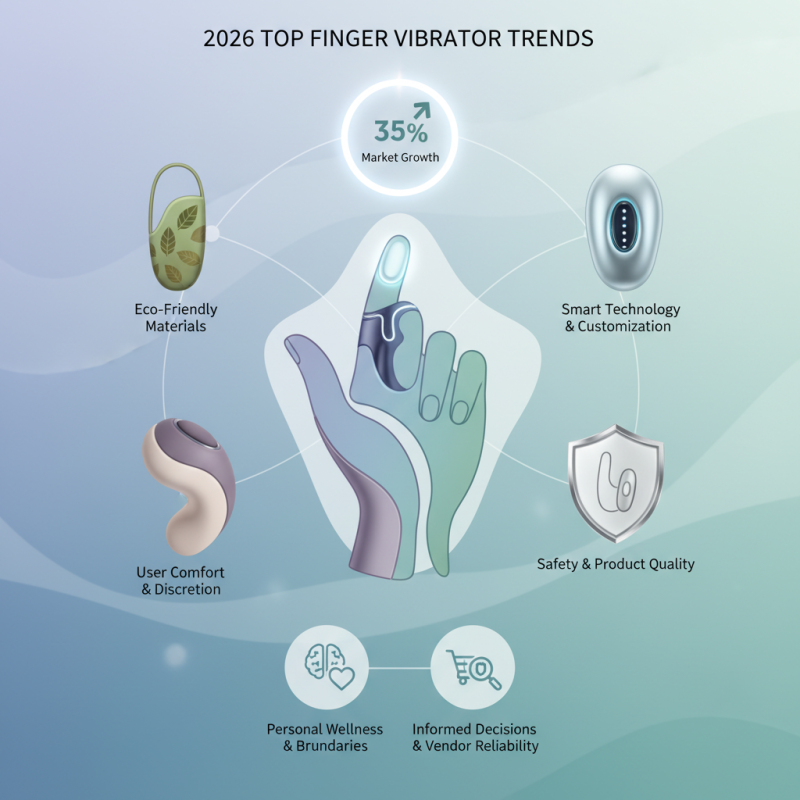
The finger vibrator market is evolving rapidly, with major trends shaping consumer choices. According to industry reports, sales of finger vibrators have increased by 35% over the past two years. This growth highlights a growing acceptance of personal wellness products. Not only do finger vibrators offer convenience, but they also deliver unique, targeted sensations that enhance intimate experiences.
In 2026, we can expect innovative designs that prioritize user comfort and discretion. Current trends show a demand for eco-friendly materials, connecting to a broader sustainability movement. Vibrators designed with smart technology allow for customized experiences, showcasing the fusion of tech and pleasure. However, while the market thrives, there are concerns over safety and misuse.
Consumers should remain aware of product quality and vendor reliability. The exploration of finger vibrators brings excitement, but users must consider their own boundaries and preferences. As the industry adapts, it’s vital to reflect on personal values and choices, ensuring that pleasure aligns with well-being. Understanding the trends can empower consumers to make informed decisions.
In the world of finger vibrators, 2026 will bring innovative designs shaped by emerging materials.
Silicone continues to be a popular choice due to its softness and flexibility. However, we're seeing a shift towards more advanced materials.
Thermoplastic elastomers (TPE) are making their mark. They offer a unique combination of durability and comfort.
Some designs will use biocompatible materials, enhancing safety and reducing allergens. It’s essential to consider sustainability as well.
Manufacturers are exploring biodegradable options that lessen environmental impact. This trend infuses eco-friendliness into personal care.
Yet, the practicality of these materials remains under scrutiny. Not all biodegradable options perform equally well.
As consumers, we crave creativity in design. Each new material allows for varied textures and sensations.
The tactile experience shapes user satisfaction. Innovations may lead to unexpected reactions or discomfort. As much as we celebrate progress, there are challenges to tackle.
Balancing comfort, durability, and sustainability is complex. Each advancement provokes questions about user preferences and experiences.

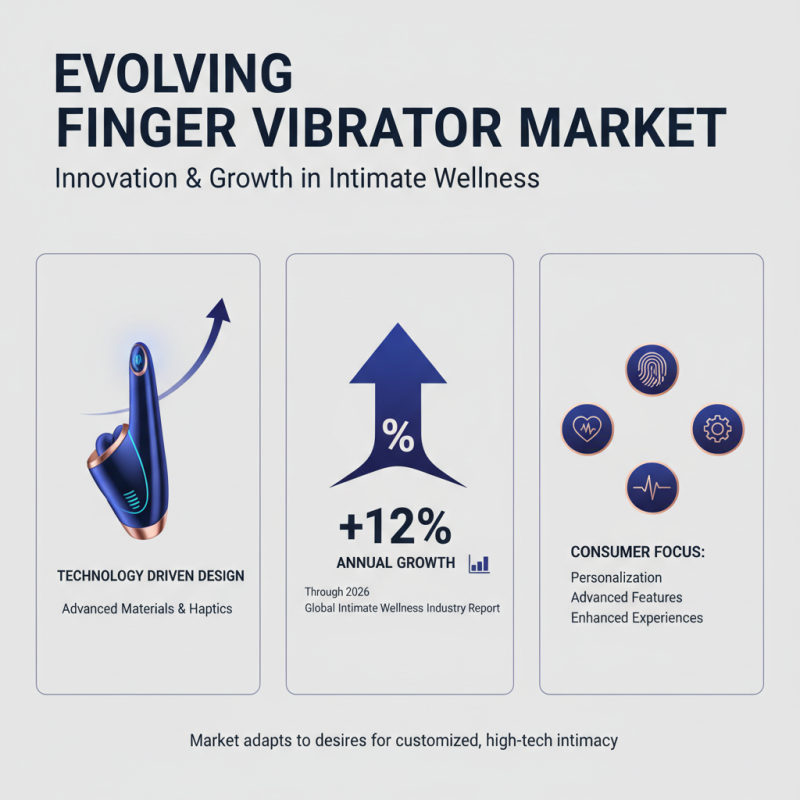
The market for finger vibrators is evolving rapidly. Innovative technology is reshaping the design and functionality of these intimate devices. According to a recent report from the Global Intimate Wellness Industry, the sector is expected to grow by 12% annually through 2026. This growth reflects increasing consumer interest in personalization and advanced features.
One exciting trend is the integration of smart technology. Many new models now feature app connectivity. This allows users to customize settings, track usage, and share experiences. There is also a focus on ergonomics, enhancing comfort and ease of use. For instance, many products have flexible designs that adjust to the user's anatomy. The challenge remains in balancing innovation with simplicity.
Battery life has also been a point of concern. While many finger vibrators now offer longer battery lives, users still report dissatisfaction with charging times. Furthermore, waterproof features are highly desired, yet many products fall short of consumer expectations. As technology evolves, the industry must address these imperfections. Continuous feedback is crucial for improvement and satisfaction. The future looks promising, but there's still much to refine.
The finger vibrator market is evolving rapidly. In 2026, a significant shift in consumer preferences is anticipated. Recent industry reports indicate a 35% increase in demand for innovative and discreet designs. Although the market is expanding, there are gaps. Some consumers still seek a balance between functionality and aesthetics.
Top brands are emerging with new features. Users value ergonomics, ease of use, and versatility. Vibrators that combine different modes of stimulation are becoming popular. According to market forecasts, these products may hold a 50% share by 2026. Yet, there is concern over accessibility. High-quality options often come with higher price tags, which can limit reach.
Sustainability also plays a vital role. A survey revealed that 40% of users prefer eco-friendly materials. However, many brands struggle to meet this demand. They may sacrifice sustainability for cost-cutting. This creates a need for better practices in the industry. Consumers want choices that reflect their values, yet not all brands provide them.
The landscape of finger vibrator usage is evolving rapidly. More consumers are experimenting with these intimate devices. They often choose versatile designs that enhance exploration. The emphasis on personal comfort and satisfaction is becoming more pronounced. Users increasingly seek products that fit their unique preferences. Color, texture, and size matter greatly in this market.
Consumer feedback reveals that many prioritize ease of use. Simple controls are highly desired. Yet, some find themselves overwhelmed by the variety available. This could lead to ongoing confusion. While many enjoy the journey of discovery, not everyone feels empowered by it. Personalization is key, yet many feel lost in choices.
As trends emerge, community input drives innovation. Discussions around connection and intimacy surface. A greater emphasis is placed on body positivity and self-care. However, the challenge remains to balance trends with individual preferences. This journey can sometimes feel daunting but also rewarding. Engaging with communities helps ease potential uncertainties.
| Trend | Percentage of Users | Preferred Features |
|---|---|---|
| Increased Customization Options | 35% | Interchangeable tips, App connectivity |
| Eco-friendly Materials | 27% | Biodegradable plastics, Natural rubber |
| Smart Technology Integration | 22% | Bluetooth capability, Remote control via app |
| Enhanced User Comfort | 15% | Ergonomic design, Soft-touch materials |
| Variety of Vibration Patterns | 30% | Multiple settings, Custom patterns |
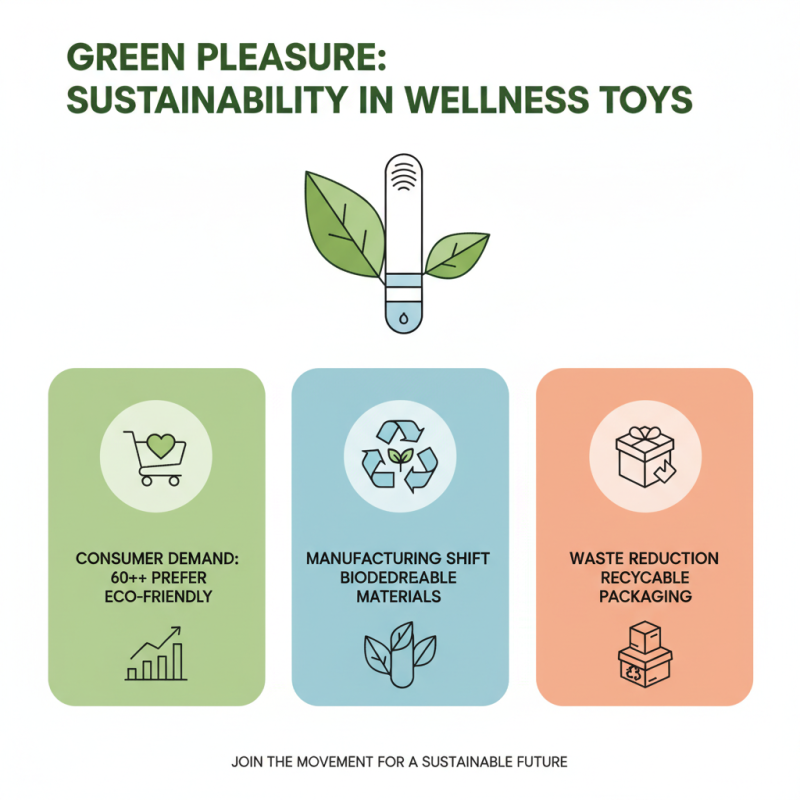
Sustainability in the finger vibrator industry is becoming increasingly crucial. Reports indicate that over 60% of consumers prefer eco-friendly products. Manufacturers are starting to adopt sustainable practices. Many are shifting towards biodegradable materials. The use of recyclable packaging reduces waste significantly.
Research shows a growing demand for ethically sourced materials. The industry faces challenges, though. Sourcing sustainable materials can be costly. Not all manufacturers prioritize sustainability. This creates a gap in what consumers expect versus what is available. Awareness and transparency are key.
Recycling programs are limited in this sector. Only 15% of products are recycled after use. Efforts to educate consumers on disposal methods are lacking. Increased collaboration among brands could improve this. Developers could innovate new materials that are both pleasurable and sustainable. The path toward a greener finger vibrator industry is still being shaped.
We use cookies on our website to give you the best shopping experience. By using this site, you agree to its use of cookies.